How to Automate Expense Reporting Easily for Web3 Businesses

Learn what expense management is and why Web3 businesses need it. Discover automated spend tracking, stablecoin cards, and tools built for crypto-native teams.

Understanding Web3 Business Expenses: A Complete Guide to Categories and Tax Deductions

What are business expenses? From common categories to tax-deductible expenses, discover how to properly track your business spending for better finances.

What is Expense Management and Why it Matters for Web3 Businesses

Learn what expense management is and why Web3 businesses need it. Discover automated spend tracking, stablecoin cards, and tools built for crypto-native teams.

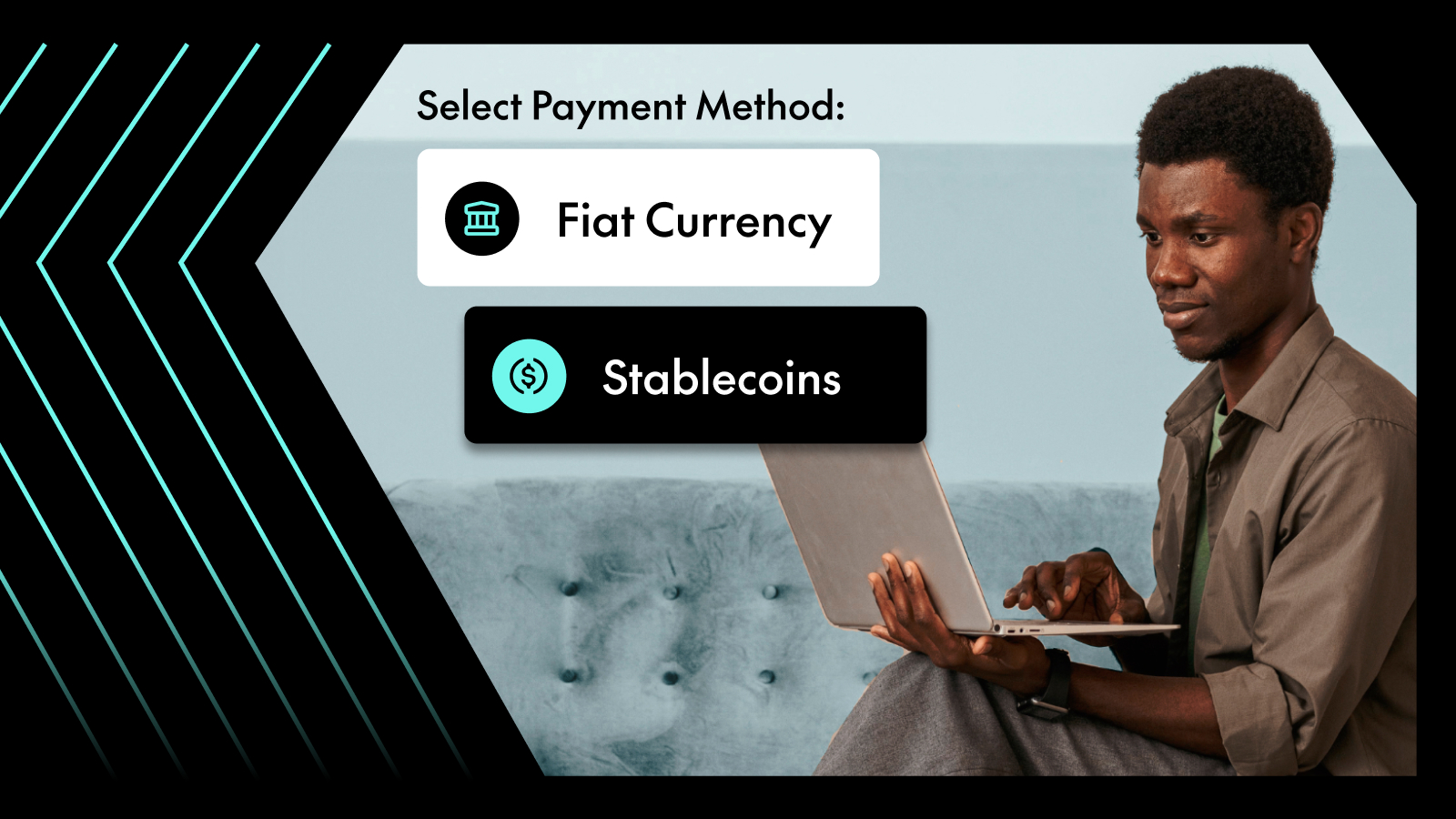
CBDCs vs. Stablecoins: What's the Difference?

The world of digital assets has been swept over by stablecoins, the asset class moving billions in trade volume that powers the global Web3 economy. With stablecoin adopting going mainstream, governments around the world are exploring their own version: Central Bank Digital Currencies (CBDCs).

Why Web3 Expense Management is Broken (And How to Fix It)

Web3 expense management is broken because companies are forced to use Web2 tools that don't connect to their on-chain treasury.

What Is a 'Crypto-Native' Financial Stack?

To operate effectively, a Web3 company needs a purpose-built financial stack. This guide breaks that stack down into three logical layers designed for security and efficiency.

Do I Need a Dedicated Business Account for My Web3 Startup?

Adopting a proper financial platform from day one is not a premature optimization; it is a strategic advantage that builds a foundation for scalable growth.

Is a Multi-Sig Wallet (like Gnosis Safe) a Business Account?

Multi-signature wallets are designed for one primary goal: to securely hold assets. In contrast, a Web3 business account is built to manage day-to-day financial operations like payments, expenses, and reporting.

What Makes a Business Account 'Web3'?

A Web3 business account is a financial tool that helps companies spend their cryptocurrency on regular, real-world business expenses.

What Is a Business Account?

For any business that has expenses, a dedicated business account is a must-have. Why? Because it cleanly separates your personal spending from company transactions. This separation is the key to easier financial reconciliation, streamlined tax preparation, and clear access to financial data for your operations.

KYB 101: The basics of Know Your Business and why it matters

When dealing with unfamiliar businesses and individuals, businesses must ensure they are adequately safeguarded against risk.

PCI DSS: Everything you need to know

In the rapidly evolving digital era, the landscape of fraud has shifted its gaze from traditional bank robberies to a new target: institutions responsible for handling cardholder data.

Sprinting towards simplicity: Payment predictions for 2024

The days of scrambling for loose change or swiping dusty credit cards are a fading memory.

Why stablecoins are the future of cross-border payments

The modern globalised economy has expanded business boundaries, leading companies of all sizes to engage in cross-border transactions.

Stablecoins are not securities: Unpacking the U.S. stablecoin bill

The U.S. recently introduced two legislative proposals, the GENIUS Act and the STABLE Act, aimed at regulating stablecoins. These bills primarily focus on stablecoin issuers, setting clear guidelines on issuance, reserve backing, consumer protection measures, and regulatory oversight. While they do not directly regulate stablecoin users, their implications will shape how stablecoins function within the broader financial system.

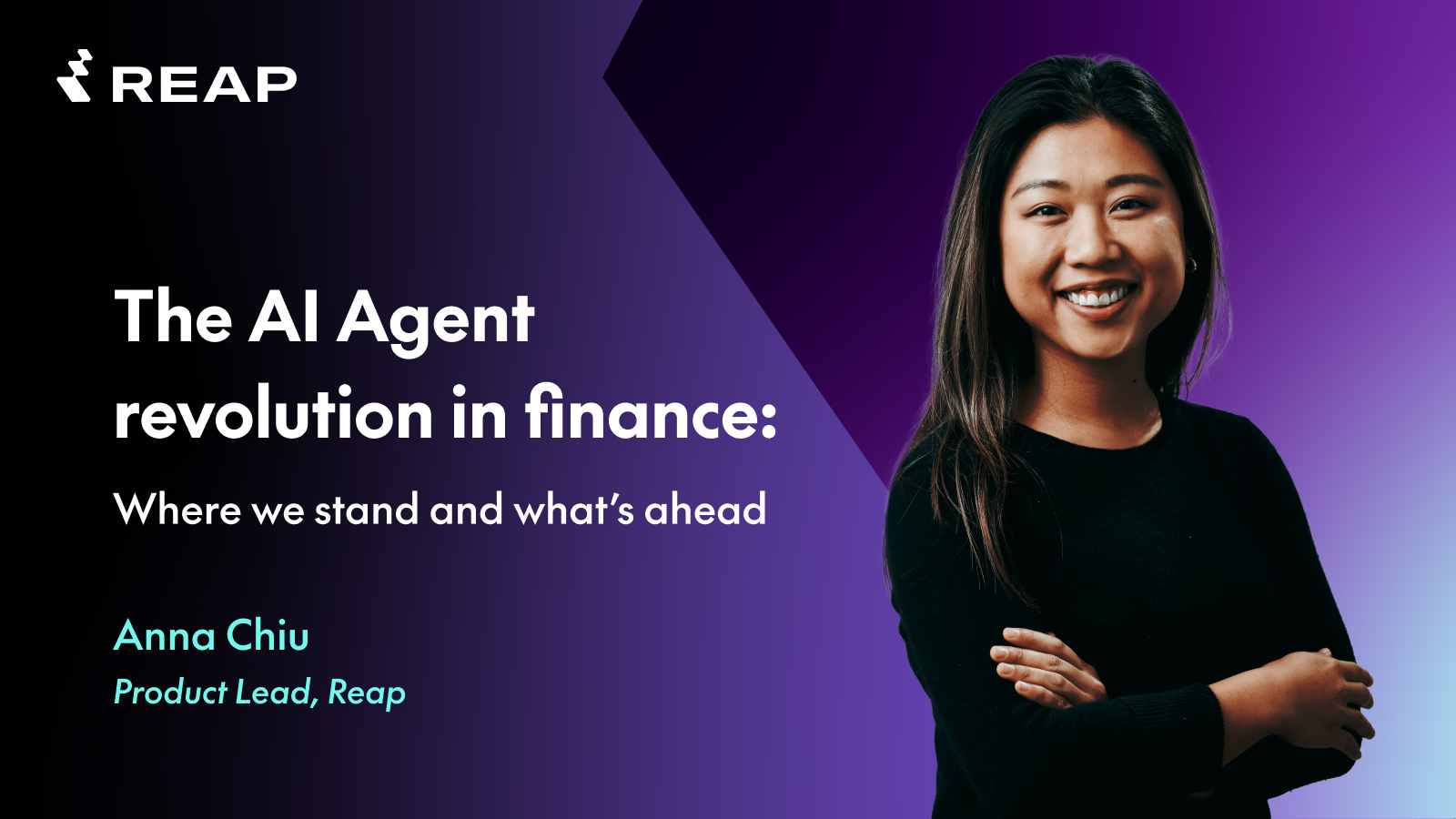
The AI Agent revolution in finance: Where we stand and what’s ahead

A few weeks ago, I got an email from my bank. "We noticed unusual activity on your card. Please verify these transactions."

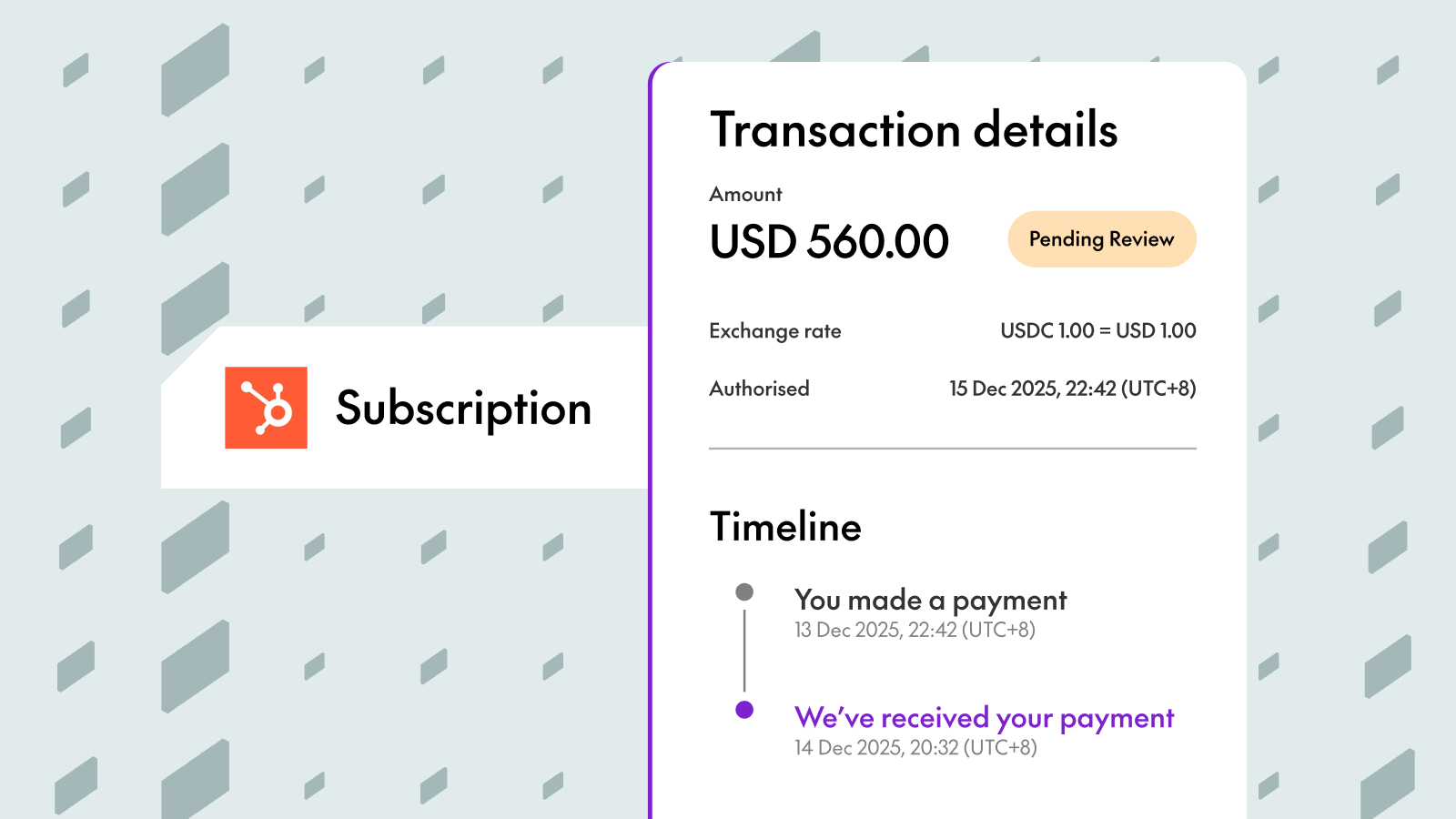
Web2 vs. Web3 finance: Why paying an invoice shouldn’t feel like a side quest

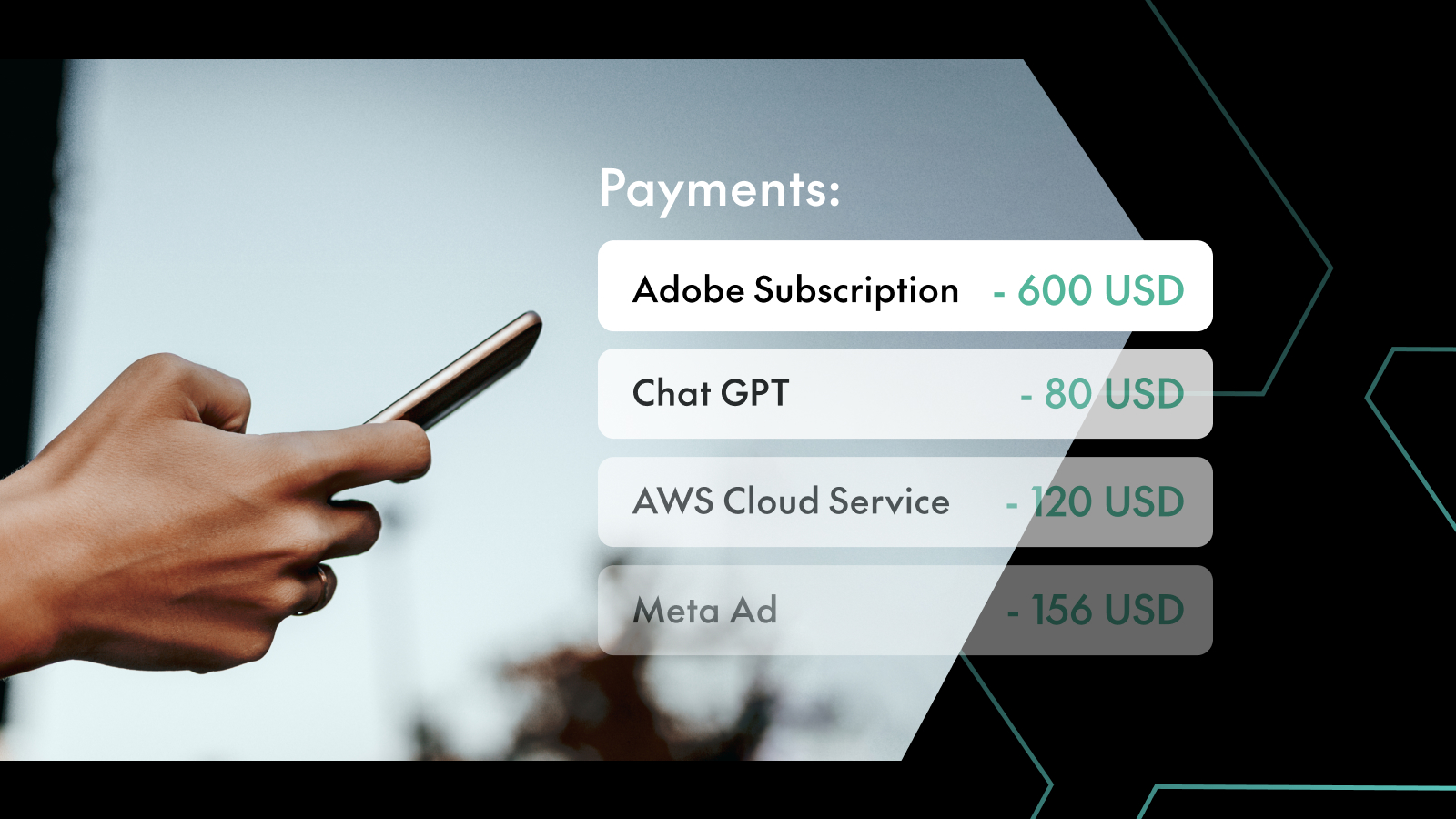
Picture this: You're a CFO at a Web3 company, and you need to pay for your AWS subscription. Easy, right? Let’s start then.

Tokenization: The foundation for future economic systems

“We are moving towards a tokenized economy,” declared Roberto Campos Neto, head of Banco Central do Brasil. For the next 30 mins, sitting amongst the Blockchain Rio audience in Rio de Janeiro, I listened as Mr. Campos Neto delivered a masterclass on redefining economic potential. His words weren't just a statement but a vision of the economic future—one that's already unfolding.

Next-gen businesses: How stablecoins are changing how companies are built

In a previous article, we explored how tokenization is redefining economic potential by laying the foundation for new economic systems, with tokens representing the ingredients of economic activity that can be composable across systems at a global scale.