Hand typing on laptop with finance icons and a stack of invoices on a purple patterned background.

Why Web3 Expense Management is Broken (And How to Fix It)

Web3 expense management is broken because companies are forced to use Web2 tools that don't connect to their on-chain treasury.
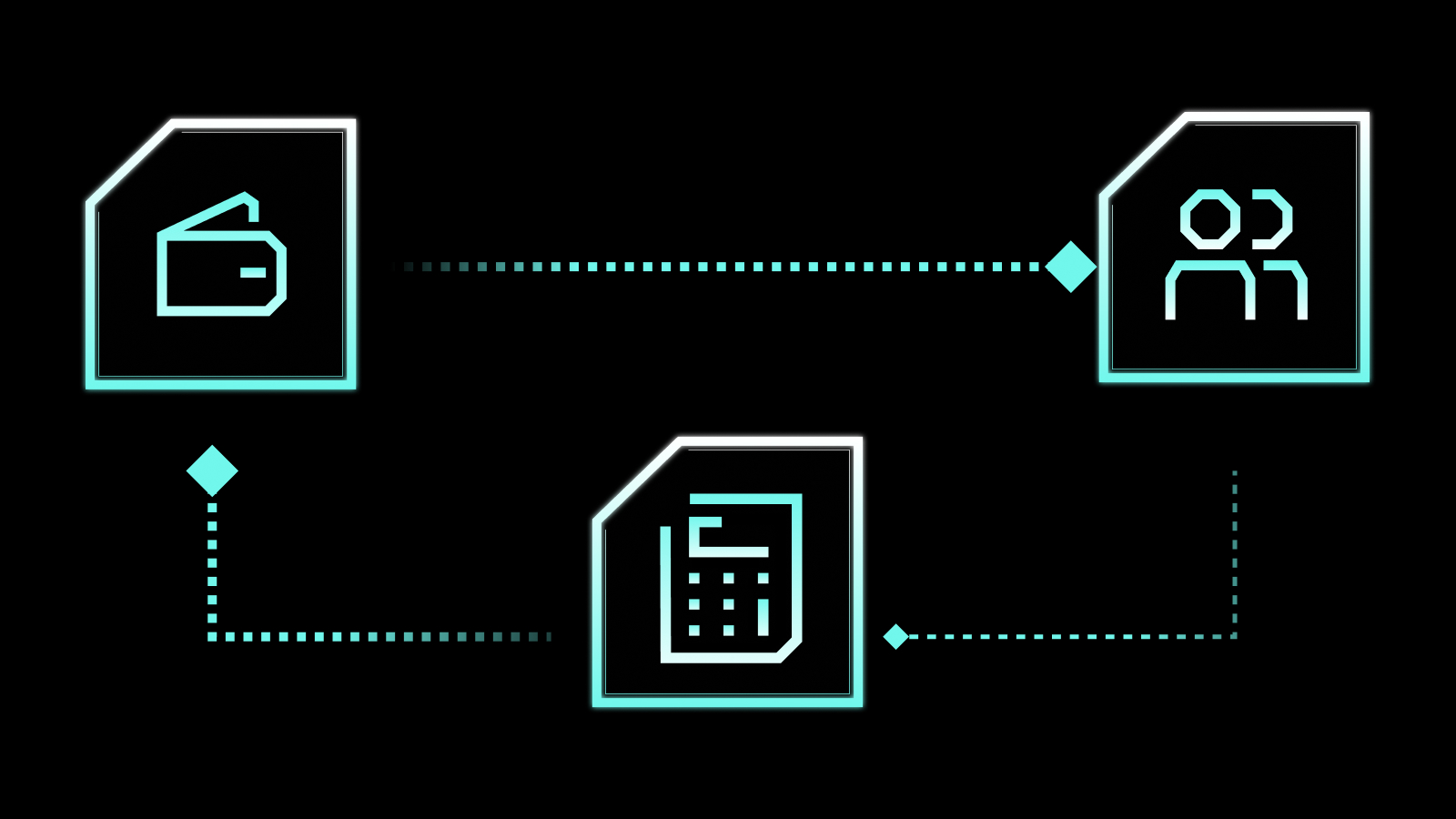
Three glowing icons connected by dotted lines: wallet, document with calculator, and two user figures.

What Is a 'Crypto-Native' Financial Stack?

To operate effectively, a Web3 company needs a purpose-built financial stack. This guide breaks that stack down into three logical layers designed for security and efficiency.
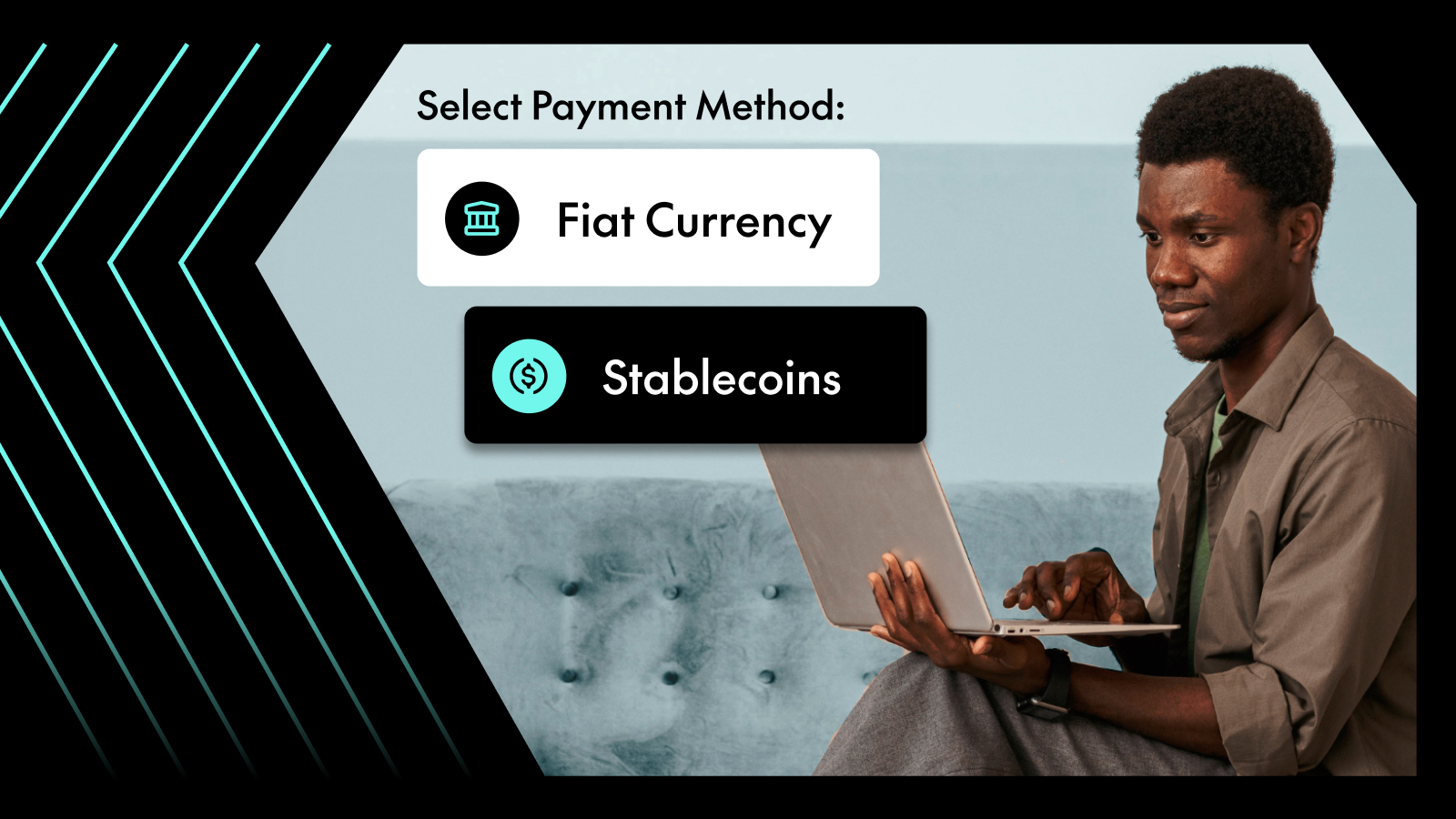
Man sitting on a blue couch using a laptop with options to select fiat currency or stablecoins for payment.

What Makes a Business Account Web3

A Web3 business account is a financial tool that helps companies spend their cryptocurrency on regular, real-world business expenses.
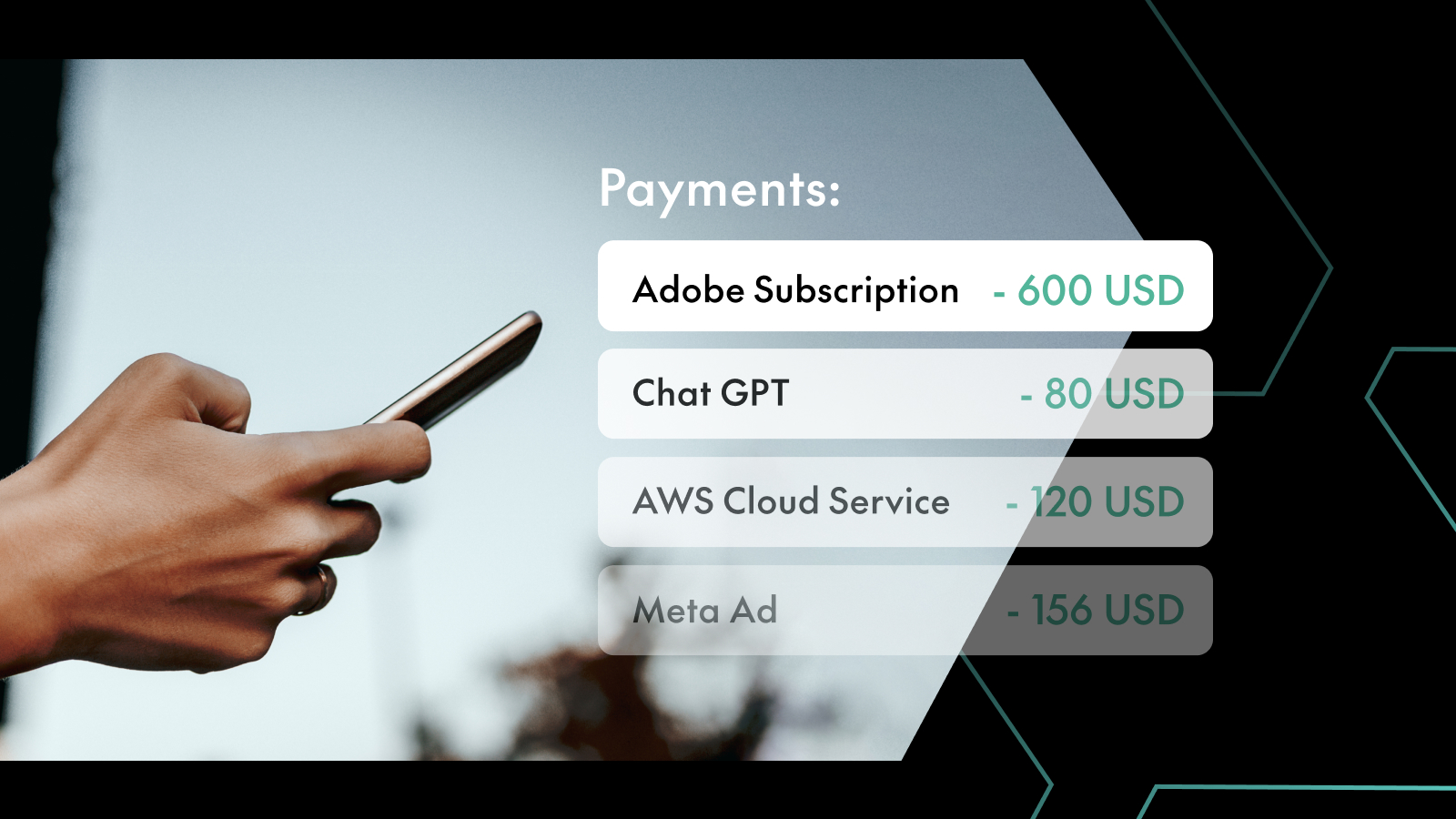
Hand holding smartphone beside a list of payments including Adobe subscription, Chat GPT, AWS, and Meta Ad.

What Is a Business Account?

For any business that has expenses, a dedicated business account is a must-have. Why? Because it cleanly separates your personal spending from company transactions. This separation is the key to easier financial reconciliation, streamlined tax preparation, and clear access to financial data for your operations.
Hand holding a REAP Visa Platinum Business card with a purple patterned background and Uber trip cost of $12.99.

How to Automate Expense Reporting Easily for Web3 Businesses

Learn what expense management is and why Web3 businesses need it. Discover automated spend tracking, stablecoin cards, and tools built for crypto-native teams.
Tablet on a geometric background showing all transactions with a bar chart and status details.

What is Expense Management and Why it Matters for Web3 Businesses

Learn what expense management is and why Web3 businesses need it. Discover automated spend tracking, stablecoin cards, and tools built for crypto-native teams.
Split image: classical bank building with columns contrasted with Earth at night showing city lights from space.

CBDCs vs. Stablecoins: What's the Difference?

The world of digital assets has been swept over by stablecoins, the asset class moving billions in trade volume that powers the global Web3 economy. With stablecoin adopting going mainstream, governments around the world are exploring their own version: Central Bank Digital Currencies (CBDCs).
Person in brown shirt holding phone, next to rising bar graph and financial icons on black background.

Do I Need a Dedicated Business Account for My Web3 Startup? A Checklist Guide

Not sure if your Web3 startup needs a dedicated business account yet? Here's a checklist to help you decide.
Partial phone screen showing a white app icon with three dots and text saying Payment API on dark background.

Payments API 101

Learn how payment APIs process cross-border transfers, manage FX, and connect to local payment rails and how to choose the right provider for your business.
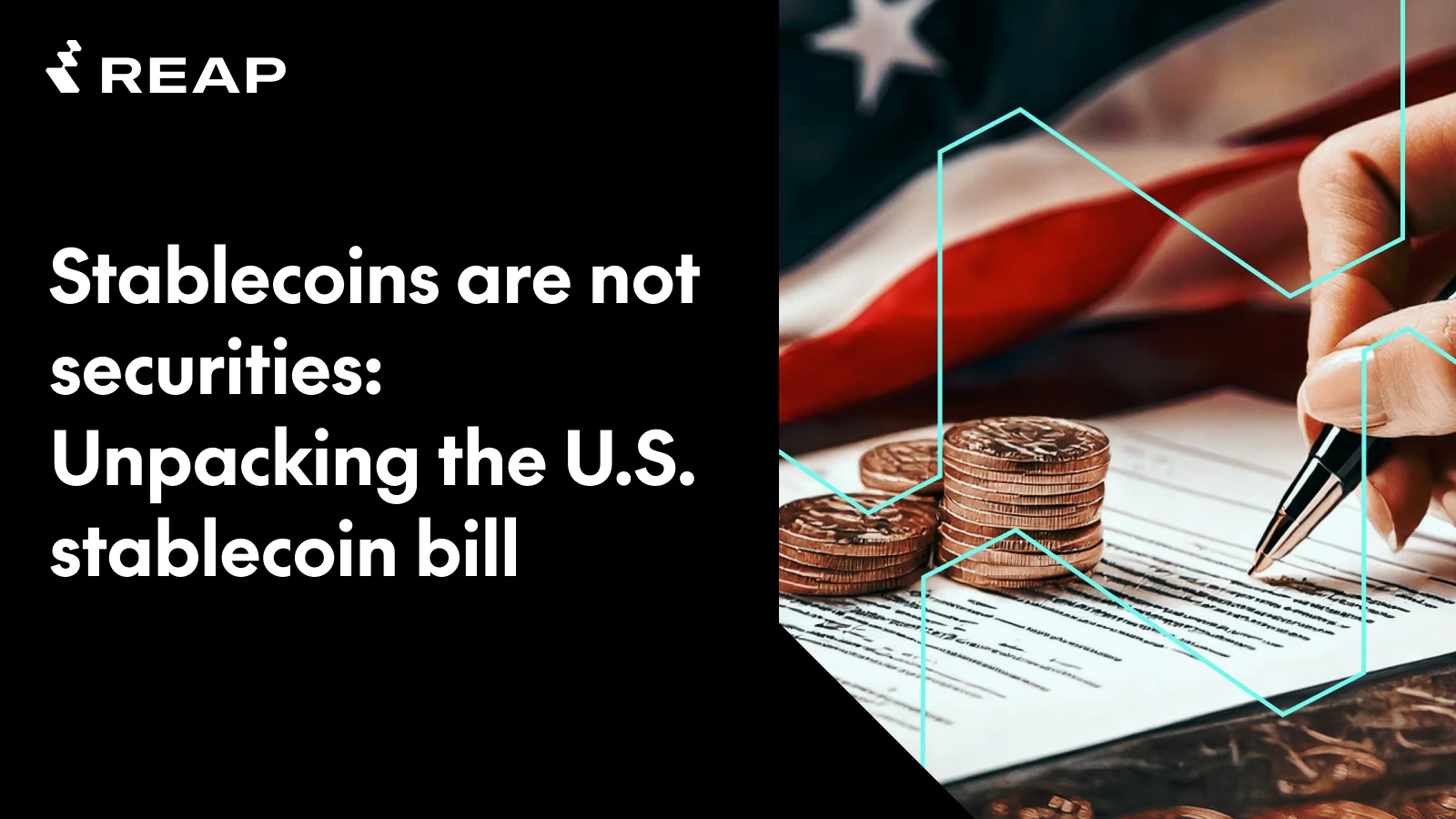
Stacks of coins on a document with a hand signing and a blurred U.S. flag in the background.

Stablecoins are not securities: Unpacking the U.S. stablecoin bill

The U.S. recently introduced two legislative proposals, the GENIUS Act and the STABLE Act, aimed at regulating stablecoins. These bills primarily focus on stablecoin issuers, setting clear guidelines on issuance, reserve backing, consumer protection measures, and regulatory oversight. While they do not directly regulate stablecoin users, their implications will shape how stablecoins function within the broader financial system.
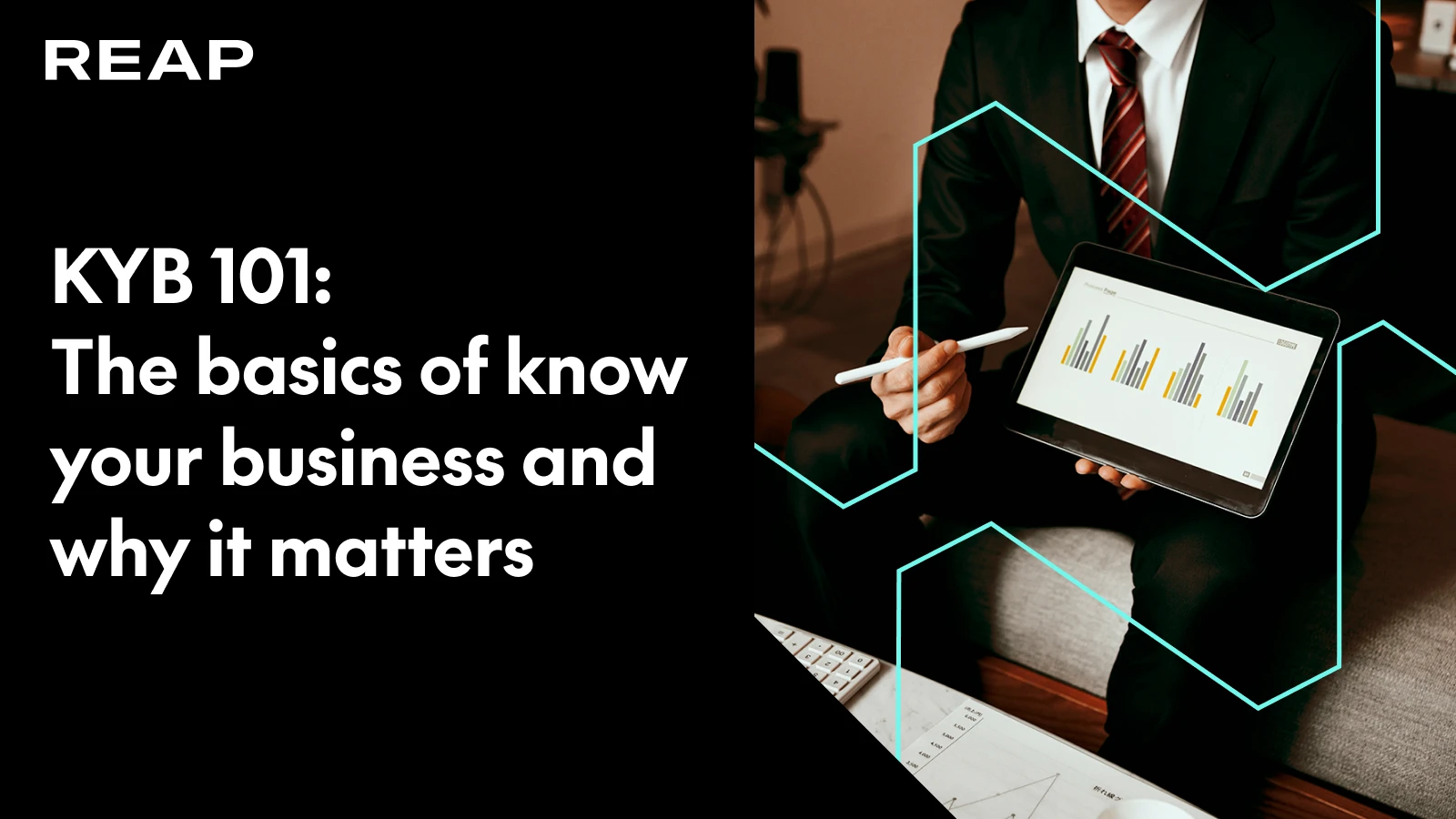
Man in suit showing tablet with bar graphs, next to text on know your business basics and importance.

KYB 101: The basics of Know Your Business and why it matters

When dealing with unfamiliar businesses and individuals, businesses must ensure they are adequately safeguarded against risk.
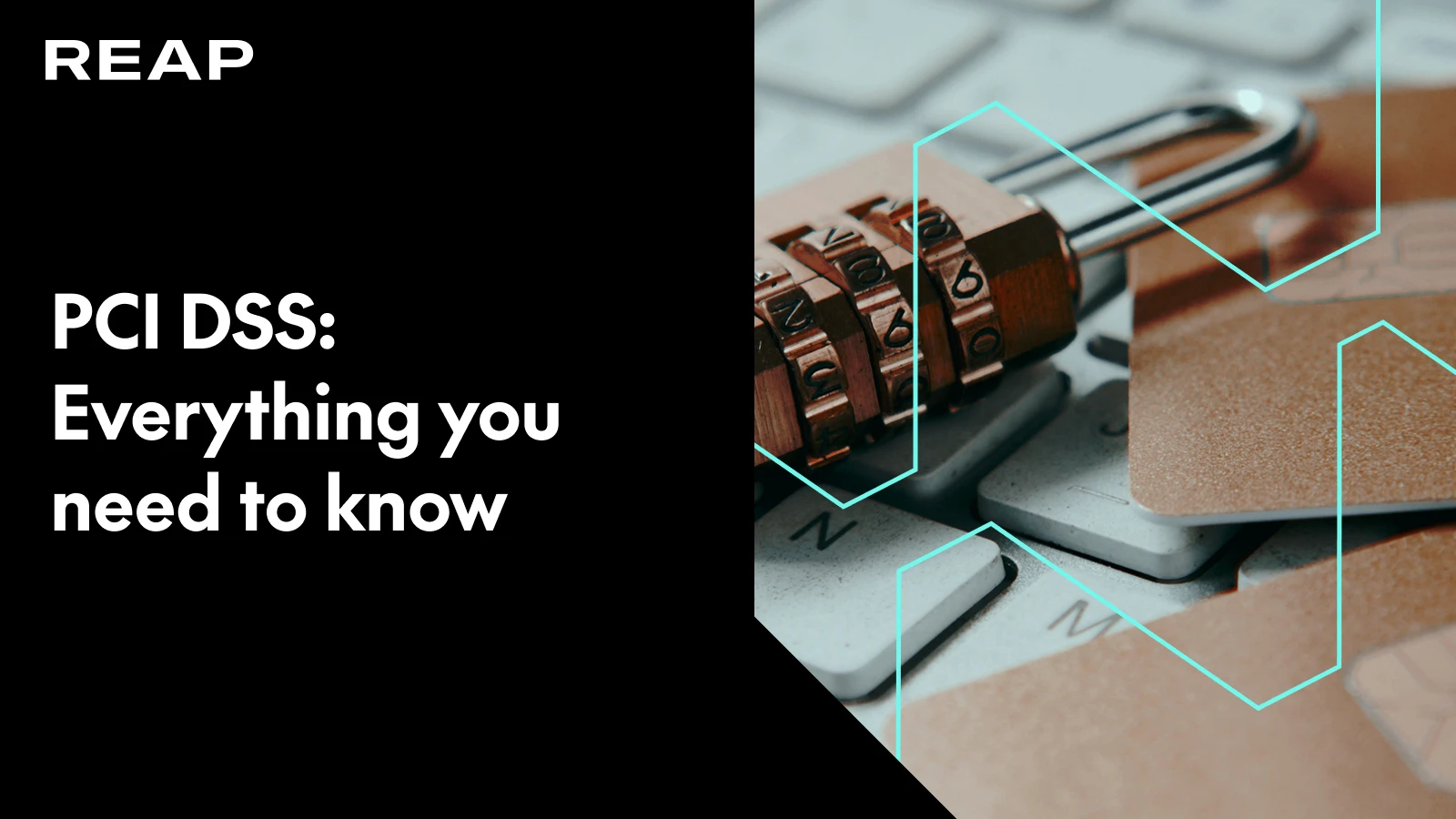
Combination lock resting on a keyboard with credit cards nearby, representing PCI DSS security.

PCI DSS: Everything you need to know

In the rapidly evolving digital era, the landscape of fraud has shifted its gaze from traditional bank robberies to a new target: institutions responsible for handling cardholder data.

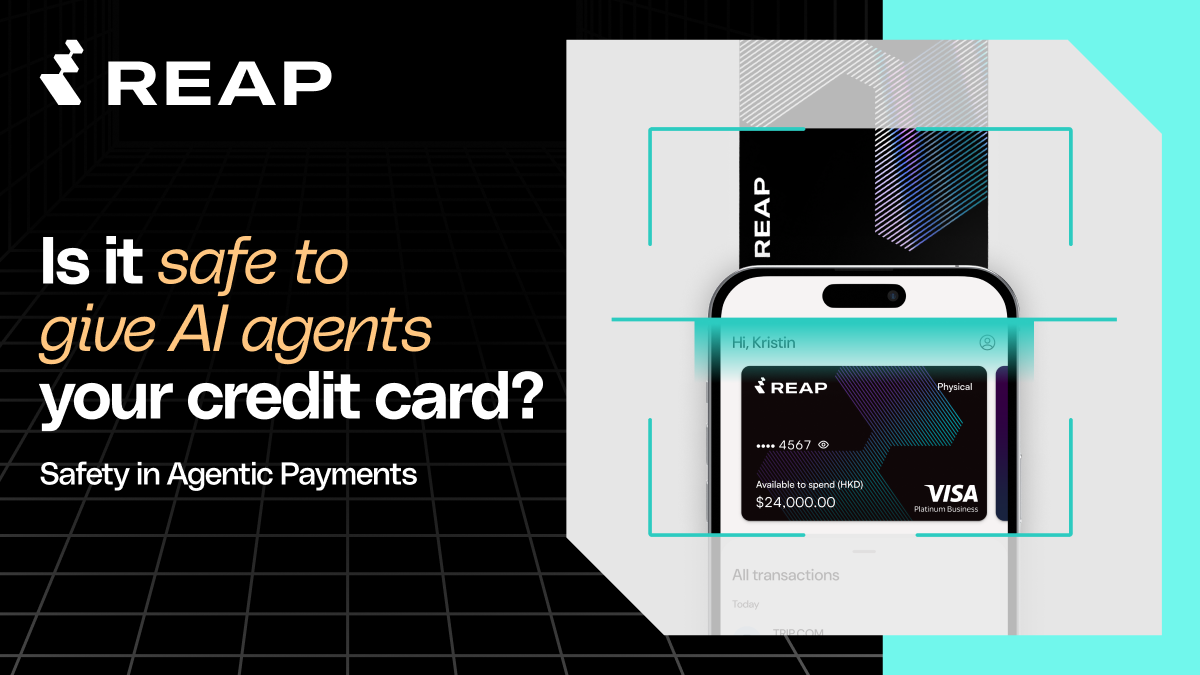
AI Agents Using Credit Cards: Is It Safe? Will It Work?

AI agents can now pay with credit cards, but how safe is it? See the guardrails in place for agentic payments security, and where the real risk sits.

What Is Open USD? The Visa and Stripe-Backed Stablecoin, Explained

Open USD is a new shared stablecoin from Open Standard. Here is what it is, how it differs from other stablecoins, and what it means for payments.

Agentic Commerce: How AI Agents Pay

Agentic commerce lets AI agents research, decide, and pay autonomously. Learn what it is, how the new infrastructure works, and how Visa Intelligent Commerce delivers it.
Green USDT and blue USDC stablecoin logos with vertical bar charts on black background.

USDT vs USDC for Business: Which Should You Use?

USDT vs USDC, which is better for business payments? Understand liquidity by corridor, settlement speed by network, and which stablecoin fits which use case.
Keyboard key glowing cyan with a puzzle piece icon and partial numbers •••• 9454.

Business Credit Cards for SMEs: Spend Control Guide 2026

Why most SME automation tools fail at financial management, and what the right corporate card controls actually fix. A data-backed guide for finance managers.

How payments are evolving for a world of autonomous agents

An outlook on what changes when the buyer is no longer human and where the payment infrastructure is heading

Stablecoin Statistics & Data 2026: All You Need To Know

Stablecoin statistics for 2026 — market size, transaction volume, adoption, reserves and regulation. Sourced, dated, refreshed quarterly.

Types of Stablecoins: The Stablecoin Ecosystem Explained

Main types of stablecoins explained: fiat-backed, crypto-backed, algorithmic, and commodity-backed. How they differ and which fits your business.

The basics of BINs: What is BIN & Types

A BIN, or Bank Identification Number, is the first 6 to 8 digits of a card that identify the issuer, network, and card type. Here is how BINs work

Why stablecoins are the future of cross-border payments

The modern globalised economy has expanded business boundaries, leading companies of all sizes to engage in cross-border transactions.

The AI Agent revolution in finance: Where we stand and what’s ahead

A few weeks ago, I got an email from my bank. "We noticed unusual activity on your card. Please verify these transactions."

Web2 vs. Web3 finance: Why paying an invoice shouldn’t feel like a side quest

Picture this: You're a CFO at a Web3 company, and you need to pay for your AWS subscription. Easy, right? Let’s start then.
Black cards with blue and teal geometric line patterns and partial card numbers on a dark background with REAP logo.

Corporate Credit Card Guide: Requirements & Alternatives

Ultimate guide to corporate credit cards: Learn what they are, how they work, benefits, eligibility, and alternative solutions for your business

Next-gen businesses: How stablecoins are changing how companies are built

In a previous article, we explored how tokenization is redefining economic potential by laying the foundation for new economic systems, with tokens representing the ingredients of economic activity that can be composable across systems at a global scale.
Cuenta empresarial La capa de cuenta unificada para negocios que operan con stablecoins
Más información
Finanzas integradas APIs de Reap: integra nuestra infraestructura en tu producto
Tarjetas
Movimiento de dinero

NEW: Now supporting stablecoin card programs across 100+ markets Learn more